When Is the Right Time to Change My Car Battery?
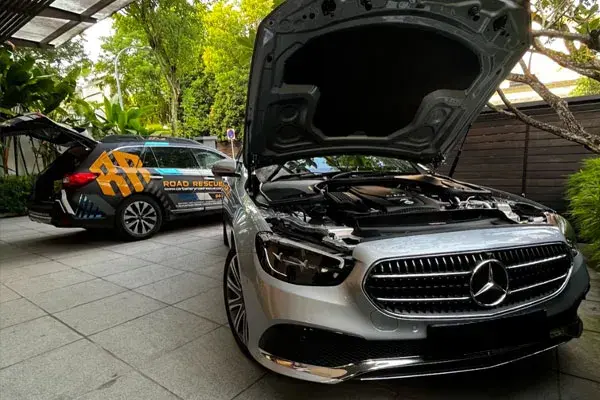
In Singapore’s warm and humid climate, car batteries tend to wear out faster than many drivers expect. The combination of high temperatures, high humidity and the constant start-stop cycles of the engine can all contribute to accelerated wear and tear. Many drivers remain unaware of this fact until their car breaks down and they are left stranded on the roadside.
To avoid such a scenario, preventive maintenance is vital for car owners. Knowing when to change your car battery can help prevent unexpected breakdowns, delays, and costly roadside emergencies.
How Long Does a Car Battery Typically Last in Singapore?
In temperate regions, a lead-acid battery may function reliably for up to 5 years. However, in the tropical environment of Singapore, the average functional lifespan is significantly compressed, typically ranging between 18 months and 3 years.
This chemical degradation is primarily driven by high ambient temperatures, which accelerate the internal chemical reactions and lead to faster electrolyte evaporation and grid corrosion.
Several factors influence this duration:
- Battery Type and Brand: Units incorporating silver-alloy grids or AGM technology generally offer higher thermal resistance and thus last longer.
- Driving Frequency: Frequent short trips prevent the alternator from performing a full saturation charge, leading to chronic undercharging. Batteries designed to better handle frequent short trips may last longer, regardless of driving frequency.
- Vehicle Electrical Load: Modern vehicles are equipped with 24-hour dashcams and advanced telematics, which can place a constant parasitic drain on the battery.
- Maintenance Habits: Corroded terminals increase electrical resistance, forcing the battery to work harder during every ignition cycle. Regular maintenance can help increase a battery’s lifespan.
Even if a battery appears to function normally, its internal capacity may already be declining, making it susceptible to sudden failure during peak usage periods.
Common Signs It’s Time to Change Your Car Battery
If your vehicle exhibits any of the following symptoms, it is advisable to have it checked by a professional mechanic as soon as possible.
1. Slow Engine Crank When Starting
The most common indicator of a failing battery is when a car has trouble starting. If the engine takes several seconds longer than usual to turn over, it suggests that the battery’s internal resistance has increased and it can no longer deliver the necessary cold cranking amps to the starter motor.
2. Car Fails to Start Intermittently
A battery nearing its end of life may exhibit erratic performance. You might find that the car starts perfectly in the morning but fails after a short trip. This inconsistency often suggests that the internal lead plates are unable to hold a stable charge.
3. Dim Headlights or Interior Lights
When the battery can no longer provide a stable 12.6V output, the vehicle's lighting systems are the first to suffer. If your headlights appear yellowed or dim or if the interior dome lights flicker when you attempt to start the engine, the battery is likely exhausted and unable to distribute power equally to all systems.
4. Battery Warning Light on the Dashboard
The battery warning light is an indication from the vehicle’s electrical control unit (ECU) that the charging system is failing. While this can sometimes indicate an alternator fault, it most frequently signals that the current battery can no longer maintain the required voltage threshold.
5. Electrical Accessories Malfunctioning
In modern smart vehicles, the computer may begin to shut down non-essential systems to preserve power for the engine. Symptoms include slow-moving power windows, infotainment screens that reset during ignition or errors appearing on the dashboard related to electronic parking brakes or stability control.
6. Swollen or Misshapen Battery Case
High-temperature environments can lead to a condition known as "bloating." This occurs when the battery overcharges or overheats, causing the plastic casing to expand. A swollen battery is a sign of severe internal damage and represents a safety risk; it should be handled by an on-site car battery specialist immediately.
7. Corrosion on Battery Terminals
Corrosion appears as a white, crusty or bluish substance around the metal terminals. This is often caused by the venting of acidic gases as the battery ages. While cleaning the terminals can temporarily improve the connection, the presence of heavy corrosion is a clear sign that the battery is approaching the end of its usable lifespan.
Planning Ahead for a Car Battery Replacement
Regular battery checks can help you recognise these key signs of battery failure. It is always better to act early with proactive maintenance than to risk a breakdown in high-risk locations such as multi-storey car parks or heavy expressway traffic.
For drivers who depend on their vehicles for everyday needs, it is important to have access to a reliable mechanic. Whether it’s for preventive measures or for on-site emergencies, a trusted car battery replacement service can provide you with added assurance. Seeking out a car battery supplier in advance helps ensure the right battery is fitted, rather than settling for limited options during an emergency.
What Happens If You Delay Car Battery Replacement?
Postponing your car battery replacement can result in several mechanical and logistical risks, such as:
- Total Immobilisation: A struggling battery will eventually fail completely. This can happen at any time, potentially disabling your vehicle while you are in the middle of using it.
- Alternator Damage: A weak battery forces the car’s alternator to run at maximum output constantly, which can lead to the premature failure of the charging system. This results in far more expensive repair costs than a simple battery replacement.
- Safety Compromise: If the battery fails while driving, it can affect the power steering assistance or the vehicle's ability to operate its hazard lights during an emergency.
- Inconvenience: Battery failure is unpredictable. It can happen at any time, such as when you’re navigating a basement car park where towing is difficult or making a time-sensitive commute.
For these reasons, it is important to get your car battery replaced as soon as you identify the first signs of damage and wear.
Where Can I Go to Get a Car Battery Replaced in Singapore?
Don’t wait for a complete breakdown to start thinking about a new battery. When it comes to car battery replacement, working with a qualified mechanic is always the safest option. A professional mechanic can accurately assess your vehicle’s electrical system, determine if the battery is the underlying issue and ensure the correct replacement is installed without causing damage to sensitive electronic components.
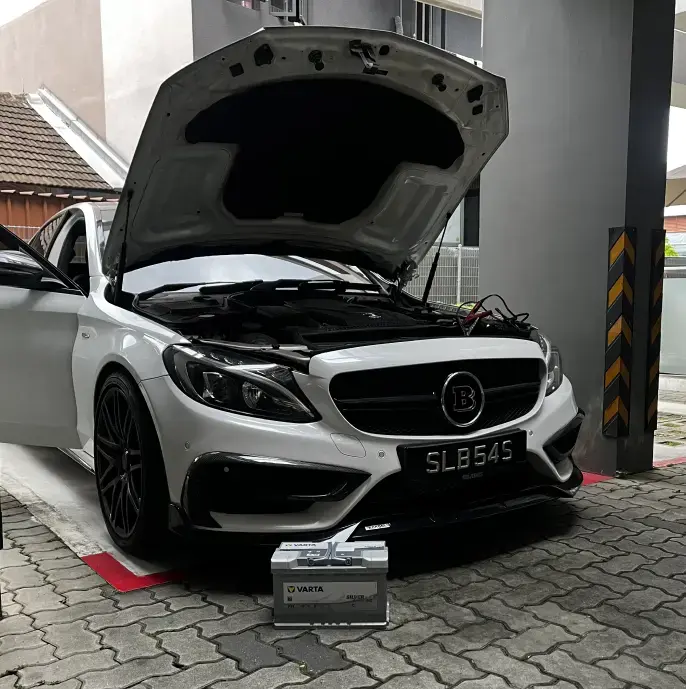
At Road Rescue, we strive to get you the right battery, fitted quickly and professionally. We supply trusted, high-quality battery brands such as Amaron, Sail and Varta, and provide accurate diagnostics to match your vehicle’s requirements. Whether you need preventive replacement or urgent assistance, our experts deliver reliable car battery replacement services in Singapore.