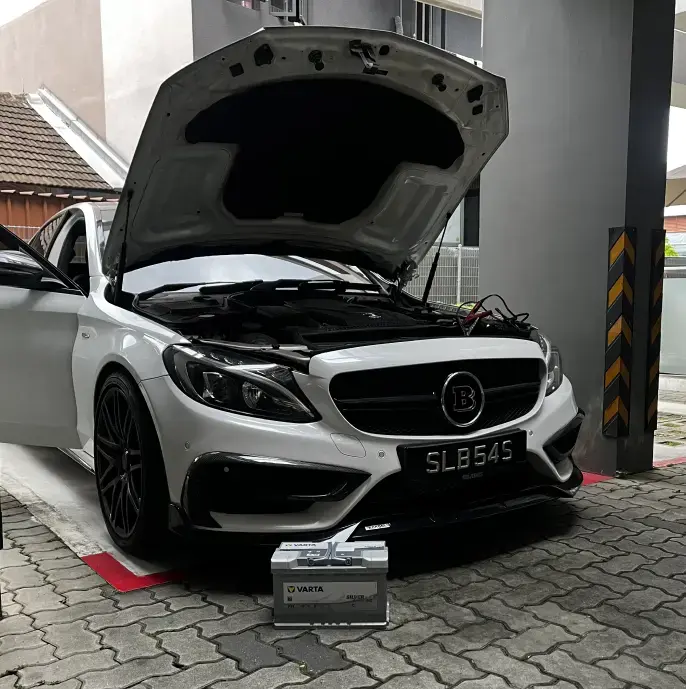
Safe Car Battery Storage and Transport
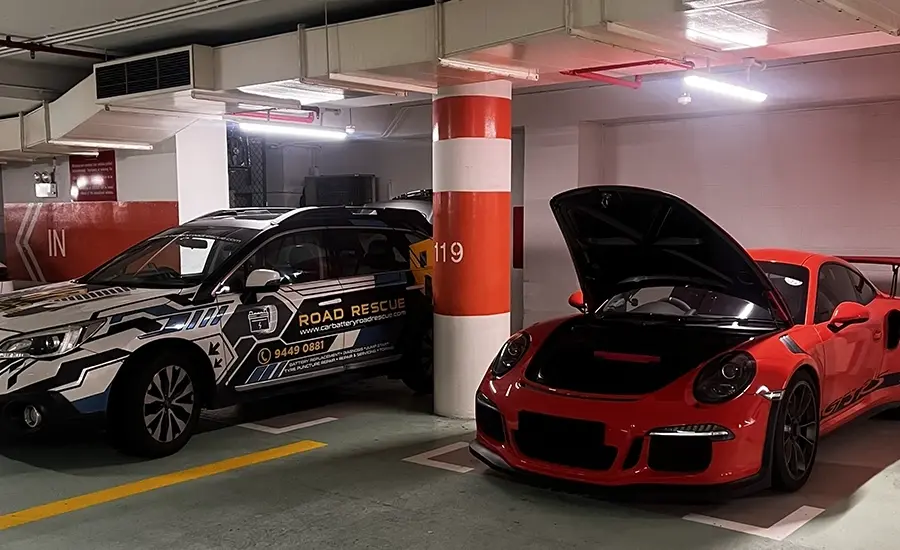
Most drivers only think about their car battery when it fails. However, long before it reaches your vehicle, the way your new car battery is stored and transported can affect its lifespan and performance.
Proper handling is not just about logistics. It directly impacts how well the battery performs once it is installed. Knowing this helps you choose a reliable supplier and ensures you get a battery that will function as expected.
Why Proper Car Battery Handling Matters
Car batteries are sensitive to storage and handling conditions, even before they are installed. Factors such as temperature, humidity and storage duration can affect their performance over time.
If not handled properly, issues may develop early, including:
- Reduced battery capacity
- Shortened lifespan
- Internal damage that may not be immediately visible
Working with a reliable car battery supplier helps ensure proper storage, transport and handling. This helps maintain battery condition from the point of storage to installation, so it performs as expected.
How Car Battery Suppliers Store Batteries Safely
Storage is the first step in preserving battery quality. A well-managed system ensures that batteries remain in optimal condition before they are even used.
Controlled Temperature Environment
Heat is one of the biggest factors affecting battery lifespan, especially in Singapore’s climate. Reliable suppliers store batteries in cool, dry and well-ventilated environments to minimise excessive heat exposure. This helps prevent early degradation and maintains battery efficiency.
Proper Stock Rotation
Batteries are not meant to sit unused for long periods. Suppliers follow a first-in, first-out system to ensure older stock is used before newer inventory. This reduces the chances of customers receiving batteries that have been stored for too long.
Regular Voltage Checks
Batteries can lose charge even while in storage. Professional suppliers regularly monitor voltage levels and recharge them when needed to keep the battery in good working condition before installation.
How Car Battery Suppliers Transport Batteries Safely
Proper transport is essential to maintain battery performance from storage to installation. Careless handling during this stage can affect reliability before the battery is even used.
Extended transit time increases exposure to heat and environmental conditions. To keep the battery in a stable condition, efficient suppliers prioritise fast, direct delivery through dedicated On Site Car Battery Replacement services.
How to Prolong the Lifespan of Your New Car Battery
A new car battery is an important investment, and with proper care, you can extend its lifespan and reduce the likelihood of unexpected breakdowns. Simple maintenance habits and mindful usage can make a significant difference in how reliably your battery performs.
Avoid Frequent Short Trips
Short drives do not give your battery enough time to fully recharge. Over time, this can lead to a gradual loss of charge and reduced battery performance. Whenever possible, allow your vehicle to run long enough for the battery to recharge properly.
Turn Off Electrical Components When Not in Use
Leaving headlights, interior lights or other electrical components on when the engine is off can drain the battery quickly. Always ensure that all electronics are switched off before exiting your vehicle.
Keep Battery Terminals Clean
Corrosion around the battery terminals can affect the connection and reduce efficiency. Periodically checking and cleaning the terminals helps maintain a stable electrical flow and supports consistent performance.
Limit Use of Electronics When Engine Is Off
Using features such as the radio, interior lights or charging devices while the engine is off places additional strain on the battery. Minimising this usage can help preserve battery life.
Schedule Regular Battery Checks
Even with good habits, batteries naturally degrade over time. Regular testing allows you to monitor its condition and identify potential issues early, helping you avoid sudden failures.
Professional Storage and Transport of Car Batteries
At Road Rescue Pte Ltd, the focus goes beyond convenience. Our batteries are carefully sourced, stored and handled to maintain optimal quality, following recommendations based on your vehicle type and driving needs. With 24/7 availability, islandwide coverage and on-site testing before installation, the process remains straightforward and reliable. If you are looking for a car battery supplier in Singapore that prioritises both proper handling and fast response, contact us today.
FAQs About Safe Storage and Transport of Car Batteries
How long can a car battery be stored before it affects performance?
Can extreme temperatures during delivery damage a car battery?
Can a battery be damaged even if it looks new externally?
Do different battery types require different storage methods?